

holtravon Logo holtravon

Understanding Koruna Purchasing Power

What can you actually buy with Czech koruna today? We compare historical values and explain how inflation affects your money over time.

8 min read Beginner April 2026
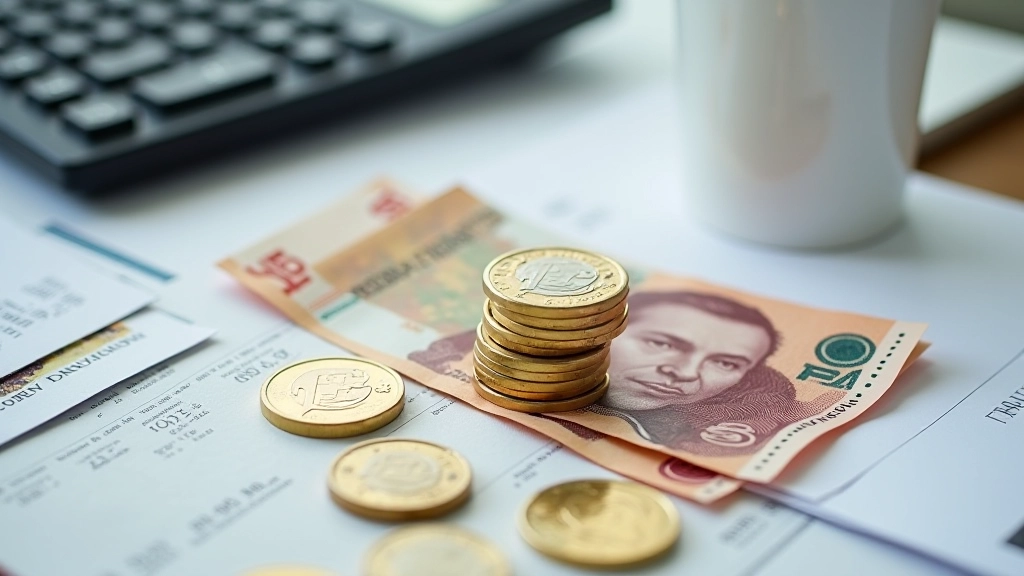
Czech koruna coins and banknotes arranged with calculator on financial documents

Why Purchasing Power Matters

Purchasing power isn't just an economic term you hear on the news. It's about your actual money and what it can buy. When inflation rises, that 100 koruna in your pocket buys less than it did last year. Understanding this helps you make smarter financial decisions.

We'll walk you through how purchasing power works, why it changes, and what you can do about it. The short version: inflation erodes the value of your savings over time, but knowing the details helps you plan better.

Key Concept

Purchasing power measures how much goods and services you can buy with your money. As prices rise (inflation), your purchasing power falls. A koruna today won't buy as much as a koruna ten years ago.

The Czech Koruna's Historical Journey

The Czech koruna didn't exist as an independent currency until 1993. Before that, Czechs used the Czechoslovak koruna. The transition to the Czech Republic brought its own currency, and it's been a fascinating story ever since.

In the 1990s, inflation ran high — sometimes reaching double digits. A coffee that cost 10 koruna in 1995 might've cost 15 by 1998. But the ČNB (Czech National Bank) worked to stabilize things. By the 2000s, inflation had calmed down. That's when the koruna started gaining strength against other currencies.

From 2004 onwards, when Czechia joined the EU, things shifted again. The koruna became tied to European economic movements. We've seen periods of stability and volatility, but generally the purchasing power has remained relatively steady compared to neighboring countries.

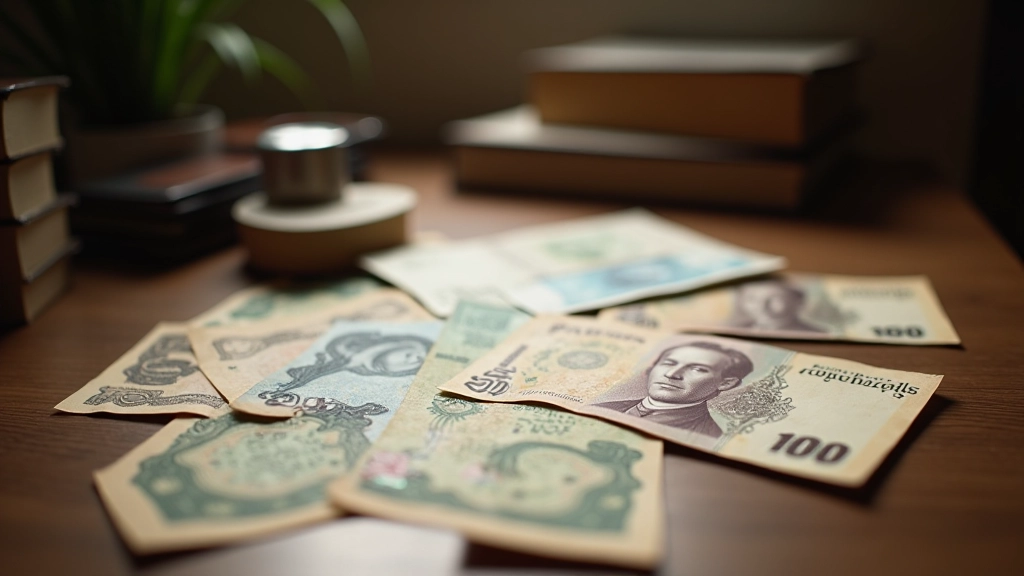
Historical Czech currency timeline with vintage koruna banknotes from different decades
Shopping bags with price tags and calculator showing inflation impact on everyday purchases

How Inflation Affects What You Buy

Let's get practical. Say you had 1,000 koruna in 2015. With average inflation around 2% per year, that same 1,000 koruna would buy roughly 18% less in 2025. It's not dramatic year-to-year, but it compounds.

Groceries show this clearly. A loaf of bread that cost 20 koruna in 2015 might cost 24-25 koruna today. Your morning coffee's gone up from 35 koruna to 50-60 koruna. These aren't massive jumps individually, but they add up when you look at your whole shopping basket.

The ČNB targets inflation around 2% annually, which they consider healthy. Too little inflation means the economy's stagnant. Too much and your savings evaporate. Right now, Czechia's tracking reasonably close to that target, though it's fluctuated.

What This Means for Your Money

Savings Erode Over Time

Money sitting in a regular savings account earning 0.5% won't keep pace with 2% inflation. You're losing purchasing power each year. Consider accounts that match or beat inflation rates.

Wages Need Regular Increases

If your salary doesn't increase at least with inflation, you're getting a pay cut in real terms. A 2% raise when inflation's at 2% means you're standing still financially.

Long-Term Planning Matters

Big purchases like houses or cars? Inflation works in your favor if you've got a fixed-rate mortgage. You're paying back with money that's worth less than when you borrowed it.

Invest to Stay Ahead

Stocks and bonds historically outpace inflation over longer periods. A diversified investment portfolio can help your wealth grow faster than prices rise.

Tomáš Novotný

Tomáš Novotný

Senior Financial Education Specialist

Senior Financial Education Specialist with 14 years of expertise in Czech economics, ČNB systems, and financial literacy education.

Educational Disclaimer

This article provides educational information about purchasing power and inflation in the Czech economy. It's not financial advice, and circumstances vary by individual. For specific financial decisions — whether about investments, savings accounts, or long-term planning — consult with a qualified financial advisor who understands your personal situation. The ČNB publishes official inflation data and economic reports if you want to dive deeper into current figures.

Understanding Your Money's Real Value

Purchasing power isn't complicated once you see it in action. Your koruna is worth less each year because prices rise. That's inflation, and it's normal. What matters is knowing it's happening and planning accordingly.

Check whether your savings account keeps pace with inflation. Look at your wage growth and whether it matches cost-of-living increases. Think about long-term investments that historically outpace inflation. These aren't dramatic moves — they're just smart awareness.

The Czech koruna is stable compared to many currencies. The ČNB manages inflation responsibly. But that doesn't mean your personal purchasing power takes care of itself. You've got to pay attention to it.