
Inflation History in Czechia: From Communism to EU
Explore how Czech inflation rates evolved over three decades. We trace the major economic shifts...
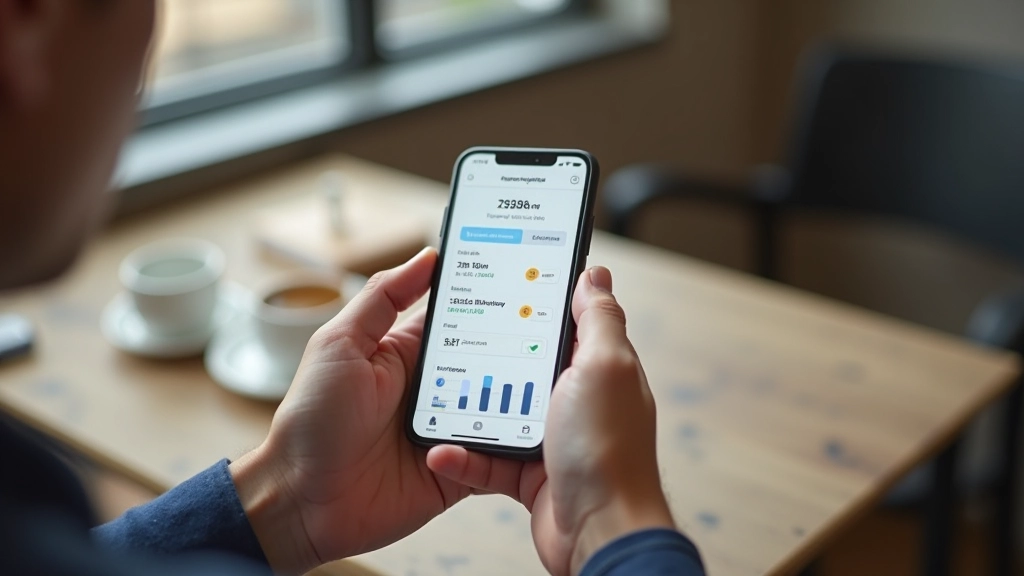
Banking in the Czech Republic has changed dramatically. It's not just about visiting your local branch anymore — there's a whole ecosystem of apps and digital tools designed to make managing money easier. Whether you're looking to check your balance, transfer funds, or explore investment options, you've got choices.
The thing is, not all banking apps are created equal. Some focus on speed and simplicity. Others pack in advanced features for serious investors. We've spent time comparing what's actually available to Czech users, looking at the major platforms, payment solutions, and tools that can genuinely help you manage your finances better.
The major Czech banks—Česká spořitelna, Komerční banka, and others—have invested heavily in their mobile platforms over the last five years. These aren't afterthoughts anymore. They're serious applications built to handle everyday banking.
What you'll typically find in these apps: account management, bill payments, loan applications, and savings tools. Most let you set up recurring payments in about two minutes. Transaction history is usually searchable. You can schedule future transfers without logging in every time. They've added push notifications so you'll see spending alerts almost instantly.
Security-wise, these platforms use multi-factor authentication, encrypted connections, and biometric login options. Some have implemented advanced fraud detection that watches for unusual patterns. The interfaces vary — some feel modern and intuitive, others more traditional — but they're all functional.
The downside? These apps sometimes feel a bit sluggish, and adding new payment methods can involve multiple steps. Plus, they're designed primarily for existing customers of that specific bank, so switching banks means learning a new interface.
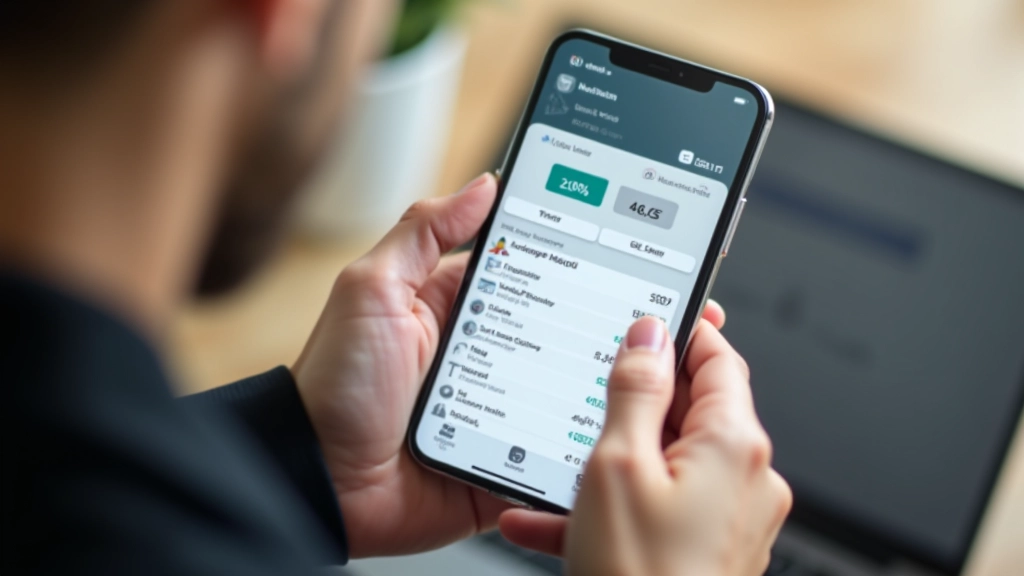

Then there's the newer generation of financial technology companies. They don't have legacy systems slowing them down, so they've built platforms from scratch with modern users in mind. These platforms focus on doing a few things really well instead of trying to handle everything.
Take payment apps, for example. Many let you send money to another person using just their phone number or email. No account numbers needed. No IBAN codes to hunt down. You can split bills with friends in seconds. Some Czech fintech platforms have made peer-to-peer transfers almost as simple as sending a text message.
What makes these apps appealing? They're usually faster to set up. Onboarding takes minutes instead of hours. The interfaces feel cleaner and less cluttered. Push notifications are thoughtful rather than overwhelming. And many have better-designed customer support — you're not stuck on hold waiting for a representative.
The trade-off is that you might need to use multiple apps if you want to cover different needs. One app handles payments, another handles savings, another handles investments. It's not all under one roof like with traditional banks.
This article provides educational information about banking technologies and tools available to Czech users. We're describing what these platforms do, not recommending one over another or suggesting they'll guarantee any specific results. Banking choices depend on your personal needs, habits, and preferences. Before selecting any platform, review their terms of service, fee schedules, and security policies yourself. We encourage you to compare options and make informed decisions based on your individual circumstances.
If you're interested in investing beyond a basic savings account, the options have expanded significantly. Czech users now have access to platforms designed specifically for stock trading, ETF investing, and cryptocurrency exchange — though regulations around crypto continue to evolve.
Traditional investment platforms operated by established brokers usually offer educational resources. They'll show you how bonds work, explain dividend strategies, and help you understand risk levels. Many have paper trading features where you can practice with fake money before investing real cash. Commission structures vary widely — some charge per trade, others use percentage-based fees, and a few offer commission-free trading on certain assets.
What separates one platform from another often comes down to user interface and available features. Some are built for beginners with simplified dashboards. Others cater to active traders with real-time charts, technical indicators, and algorithmic tools. The best choice depends on how actively you plan to trade and what assets interest you.

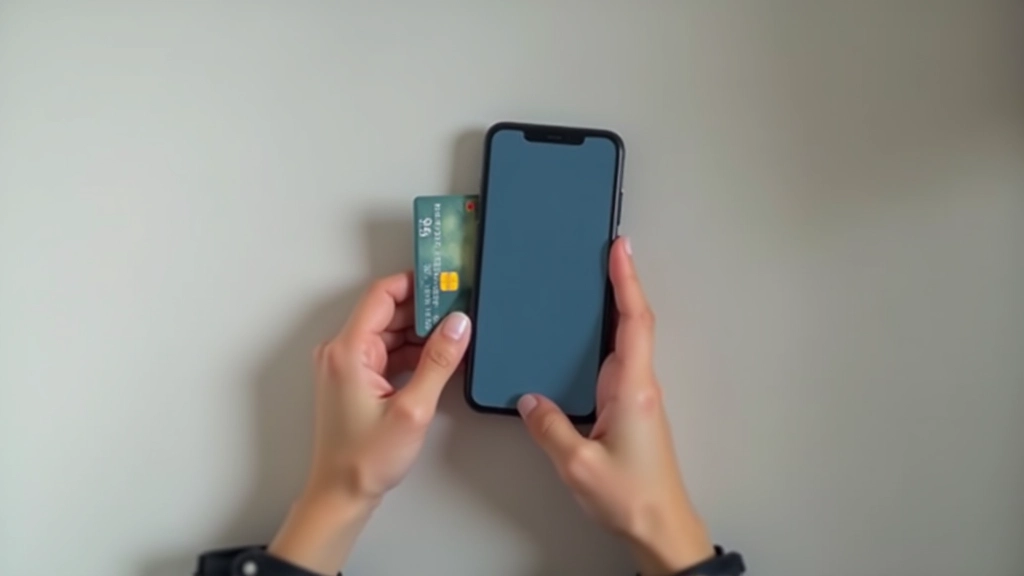
Beyond banking and investing, payment technology has transformed how people exchange money. Digital wallets linked to your phone mean you don't need to carry physical cards anymore. You're just pointing your phone at a payment terminal.
The big international players — Apple Pay, Google Pay, Samsung Pay — work in the Czech Republic. But there are also local solutions built specifically for Czech users and Czech merchants. Some integrate with loyalty programs from local retailers. Others connect directly to your Czech bank account without needing an international digital wallet.
What's interesting is how these systems handle security. Your actual card number isn't transmitted to the merchant. Instead, a unique token is created for each transaction. It's encrypted. Merchants never see your full card details. This is why contactless payments via phone are considered quite secure — more secure in many ways than handing over a physical card.
Not all banking apps are right for every person. Here's what actually matters when you're evaluating options.
Does the app use two-factor authentication? Is there biometric login? What's their data encryption standard? Security isn't optional.
How fast does the app load? Can you complete transactions in a few taps or does it require many steps? Speed matters when you're managing finances.
Is support available in Czech? Can you reach someone when you have problems? How long does it typically take to get a response?
Are there monthly subscription fees? Per-transaction charges? Hidden costs? Understanding the full cost structure is essential.
Does it work on both iOS and Android? Are you locked into one ecosystem or do you have flexibility with different devices?
Can you track spending by category? Get spending reports? These tools help you understand where your money goes.
The Czech banking landscape is more diverse now than it's ever been. You're not stuck with one option. Traditional banks continue to improve their digital platforms. Fintech companies are introducing fresh approaches. Payment technologies are becoming seamless. Investment platforms are more accessible than before.
The right choice depends on what you actually need. If you want comprehensive banking in one place, a traditional bank app probably makes sense. If you value simplicity and speed, fintech solutions might appeal to you more. If you're interested in investing, you'll want to explore platforms built specifically for that. And for payments, you've got multiple solid options.
Don't feel pressured to adopt everything immediately. Start with one or two tools that address your primary needs. Use them for a few weeks. See how they fit into your routine. Then you can decide whether to expand. Banking technology is meant to make your life easier — not more complicated.